Crypto taxes are one of the least enjoyable parts of investing in digital assets. When you only make a few trades, the process can feel manageable. But once you start using multiple exchanges, wallets, DeFi protocols, or NFT platforms, keeping track of everything manually becomes a mess.
That is where CoinLedger comes in. CoinLedger is a crypto tax software platform built to simplify transaction tracking and tax reporting for crypto investors. It is designed to help users import data from exchanges and wallets, organize transactions, and generate tax reports without spending hours inside spreadsheets.
What Is CoinLedger?
CoinLedger is a crypto tax reporting platform that helps investors, traders, and crypto users calculate gains and losses and prepare tax documents based on their transaction history. Instead of manually reconstructing every buy, sell, transfer, swap, or staking reward, users can connect their accounts and let the platform handle much of the heavy lifting.
The platform is positioned as a solution for a wide range of users, from beginners who want a simple way to file crypto taxes to more advanced users managing activity across multiple wallets and exchanges. CoinLedger also emphasizes integration with tax filing software, making it easier to move from raw transaction data to final tax documents.
How CoinLedger Works
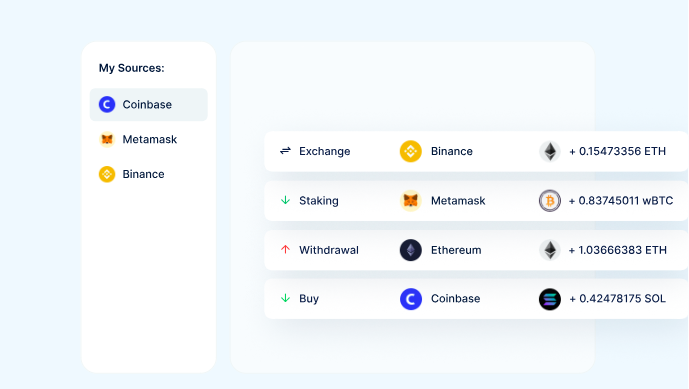
The workflow is fairly straightforward. Users start by connecting exchanges and wallets or importing their transaction history. CoinLedger then aggregates the data, identifies gains and losses, and organizes transactions into a format suitable for tax reporting. Once the data is reviewed, users can generate crypto tax reports and, in some cases, export them to tax filing tools such as TurboTax. The platform also offers an optional Expert Review service for users who want additional support before filing.
In practical terms, CoinLedger is designed to reduce the time and friction involved in handling crypto taxes, especially for users with transaction histories spread across several platforms.
Key Features
One of CoinLedger’s strongest selling points is its broad integration coverage. According to its pricing page, all plans include unlimited wallet and exchange syncs, 1,000+ integrations, customer support, and portfolio tracking. That makes it appealing for users who do not keep all of their assets in one place.
The platform also highlights ease of use, automated imports, crypto tax report generation, and direct integration with tax software. Based on the official site, CoinLedger is meant to support a range of crypto-related activity, including exchange-based transactions and more complex account histories spread across multiple services.
Another useful feature is the free portfolio tracking option. This allows users to test the platform and sync their wallets and exchanges before paying for a tax report, which lowers the barrier to entry.
CoinLedger Pricing
CoinLedger uses a pricing structure based on transaction volume:
- Portfolio Tracking — $0
- Hobbyist — $49, up to 100 transactions
- Investor — $99, up to 1,000 transactions
- Pro — $199+, for 3,000+ transactions
All plans include customer support, unlimited wallet and exchange syncs, more than 1,000 integrations, and portfolio tracking. This pricing model is simple and easy to understand, which is a plus in a market where software pricing can often feel unnecessarily complicated.
Who Should Use CoinLedger?
CoinLedger makes the most sense for users who have moved beyond a very simple crypto setup.
It is a strong fit for retail investors using more than one exchange, active traders with higher transaction counts, and users involved in staking, DeFi, or NFTs who need help organizing a more complex transaction history. It can also be useful for people working with an accountant and wanting to provide clean, structured tax documentation instead of raw CSV files and incomplete records.
If your crypto activity is limited to a handful of buy-and-hold transactions each year, a dedicated tax platform may be optional. But once your transaction history becomes fragmented across multiple services, software like CoinLedger starts to save real time.
Pros
One of CoinLedger’s biggest advantages is automation. The platform is built to reduce manual effort, which is the real pain point for most crypto taxpayers.
Another advantage is clear pricing. Users can quickly understand which plan fits their activity level without sorting through complicated feature matrices.
The free portfolio tracking option is also a plus because it lets users explore the platform before committing to a paid report.
Finally, the combination of broad integrations and tax software compatibility makes CoinLedger appealing for users who want an all-in-one workflow rather than a patchwork of spreadsheets and exports.
Potential Drawbacks
Like any crypto tax tool, CoinLedger is only as good as the data it receives. If your transaction history is incomplete, if cost basis information is missing, or if some wallets were never connected, the software may still require manual cleanup and review.
That means CoinLedger is not a magic fix for every tax problem. It automates a large part of the process, but users still need to make sure their records are reasonably complete and accurate before expecting a clean final output.
Is CoinLedger Worth It?
For users with only a tiny number of transactions, CoinLedger may be more convenience than necessity. But for anyone with multiple accounts, frequent activity, or a more complex crypto footprint, the software can quickly justify its cost.
CoinLedger’s appeal comes from its combination of simple onboarding, broad integrations, portfolio tracking, and tax report generation. For many crypto investors, the real value is not just the report itself, but the amount of time and frustration saved during tax season.
Key Takeaways
CoinLedger is built for a very specific pain point: turning messy crypto transaction histories into organized tax reports. It focuses on speed, automation, and usability, which makes it a practical option for investors who want a cleaner way to handle crypto taxes.
It will not replace the need for accurate data or careful review in more complex cases, but it does appear to solve one of the biggest operational problems crypto users face every year.
If you want to try it, you can check it out here: Try CoinLedger
Disclosure: This article may contain affiliate links. If you sign up through one of these links, we may earn a commission at no additional cost to you.
Disclaimer: The information provided on The Fintech Mirror is for informational purposes only and should not be considered financial, investment, or legal advice. The Fintech Mirror does not provide personalized investment recommendations. This article contains affiliate links. If you choose to purchase a service through these links, we may earn a commission at no additional cost to you. Editorial content remains independent and based on our own analysis. The information provided does not constitute legal or technical advice for individual situations.